
Bold and Admirable: Transcending Limitations
A Review of the Film City in Observation
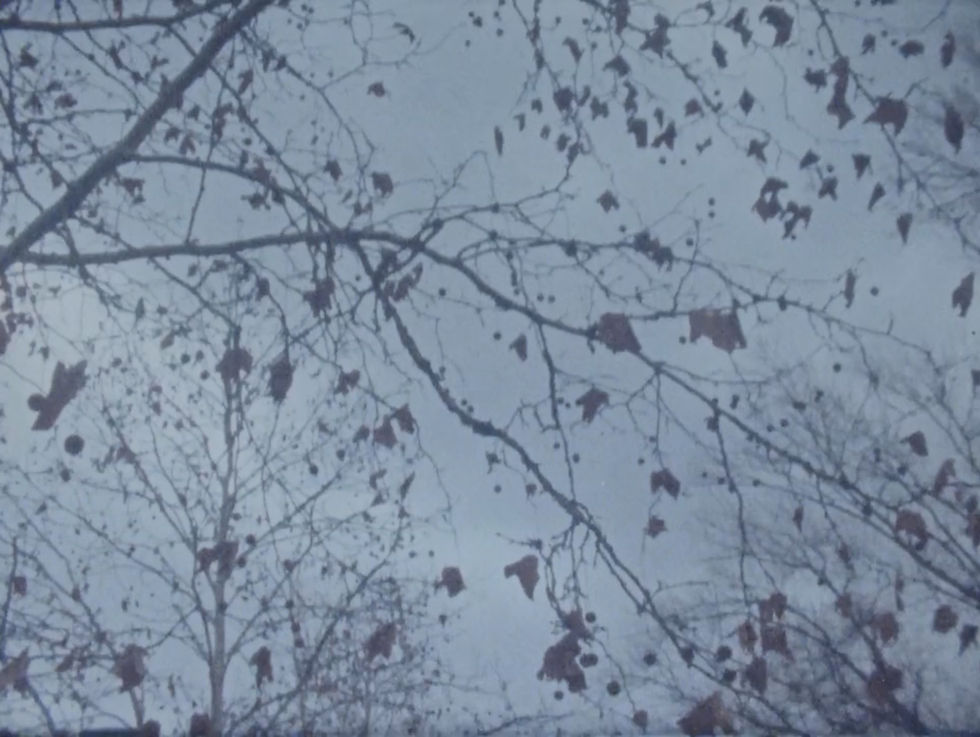
The film City in Observation begins with images of the city. The tone of these images, devoid of ambient sound, is more of an unusual and strange beginning than a conventional start for a short film, signaling a distinct cinematic experience. The uniqueness of films—especially short films, which have less time to develop themes and characters—is generally defined by their tone. These vintage images, resembling Super 8 footage, establish the film's tone step-by-step from the very beginning. This documentary-like tone merges with the deliberate removal of ambient noise and the addition of a narrator discussing a vague and hazy subject.
As the narrator speaks of tree rings—each referring to a specific point in the tree's history—the vintage visuals evoke distant times. We realize that a primary foundation of this film’s tone is this recourse to "lost time" and the past. While we view spectacular images of a city that seemingly possesses its own significant character, the narrator speaks of history and time; these two interconnected elements form the pillars of the film’s world. However, these elements only find meaning in relation to a subject that both observes history and changes through time: the city. Within the opening minutes, the film is entirely about the city—the complex and astonishing dimensions of a living entity with which every individual builds a unique relationship. To the narrator, this city has witnessed lives, deaths, and human decisions; looking at the past now feels like looking at the very foundations of this city.


The city has always been a major subject in cinema, either holding an undeniable centrality or serving as the context in which everything gains meaning and character relationships are defined. In City in Observation, we encounter a charming, subtle, and artistic instance of a non-repetitive approach to the urban theme. The film can be divided into four sections:
Section One: Comprises documentary-style images with a deliberately aged quality—resembling footage captured on expired negatives—of streets, alleys, buildings, and the city at large. The city is the primary focus of the male narrator’s discourse, though it isn't addressed directly. He speaks of a living, breathing entity that directly observes the lives of its inhabitants. His connection to the city is romantic, setting aside its dark and terrifying aspects to view it as an empathetic being.
Section Two: Begins as the city imagery gives way to abstract, moving shapes. A vague background noise, possibly human, accompanies these shapes while the narrator continues his monologue. The brilliance of director Audrey Whiteford-Woods lies in how changing the imagery fundamentally alters the audience's perception and emotional reception of the monologue. If the words felt like a self-confession before, they now feel like part of an artistic construction—an installation or a performance piece about the city.
Section Three: In a highly creative move, the initial city images merge with abstract shapes, resulting in a deeply experimental atmosphere. It is clear that Whiteford-Woods understands experimental cinema and its nuances. She successfully combines this deep understanding with available materials to achieve the complex texture and essence of that genre.
Section Four: The form of the images shifts toward animation. Here, we realize the filmmaker recognizes no boundaries, moving freely between spaces to emphasize the freedom of the experimental process. In this section, both the narrator and the language of the narration change. The filmmaker demonstrates a willingness to alter the nature of the visuals, the narrator, and the language itself to reach the pinnacle of experimentalism.

All these shifts indicate that to achieve pure experimental cinema, a filmmaker must constantly move past what they have built and test new spaces. City in Observation is a valuable and engaging achievement. It explores its subject from so many angles and with such skill that it feels as though only the freedoms of experimental cinema could allow one to transcend these boundaries. In today's world of saturated cinematic products, finding a work that stays true to its genre's characteristics while applying them creatively is difficult. City in Observation achieves this balance—neither wasting time nor being overly brief—engaging its subject with an admirable equilibrium. It is a must-watch film that serves as an excellent model for creating experimental cinema.

Comments