
An Alliance with Life: Julio Peres on the Power of Mental Health in Chronic Care
Please tell us a bit about your professional backgrounds. What films or projects had you made before Blue Alliance, and how did your previous experiences in documentary film-making or social-health issues influence this project?
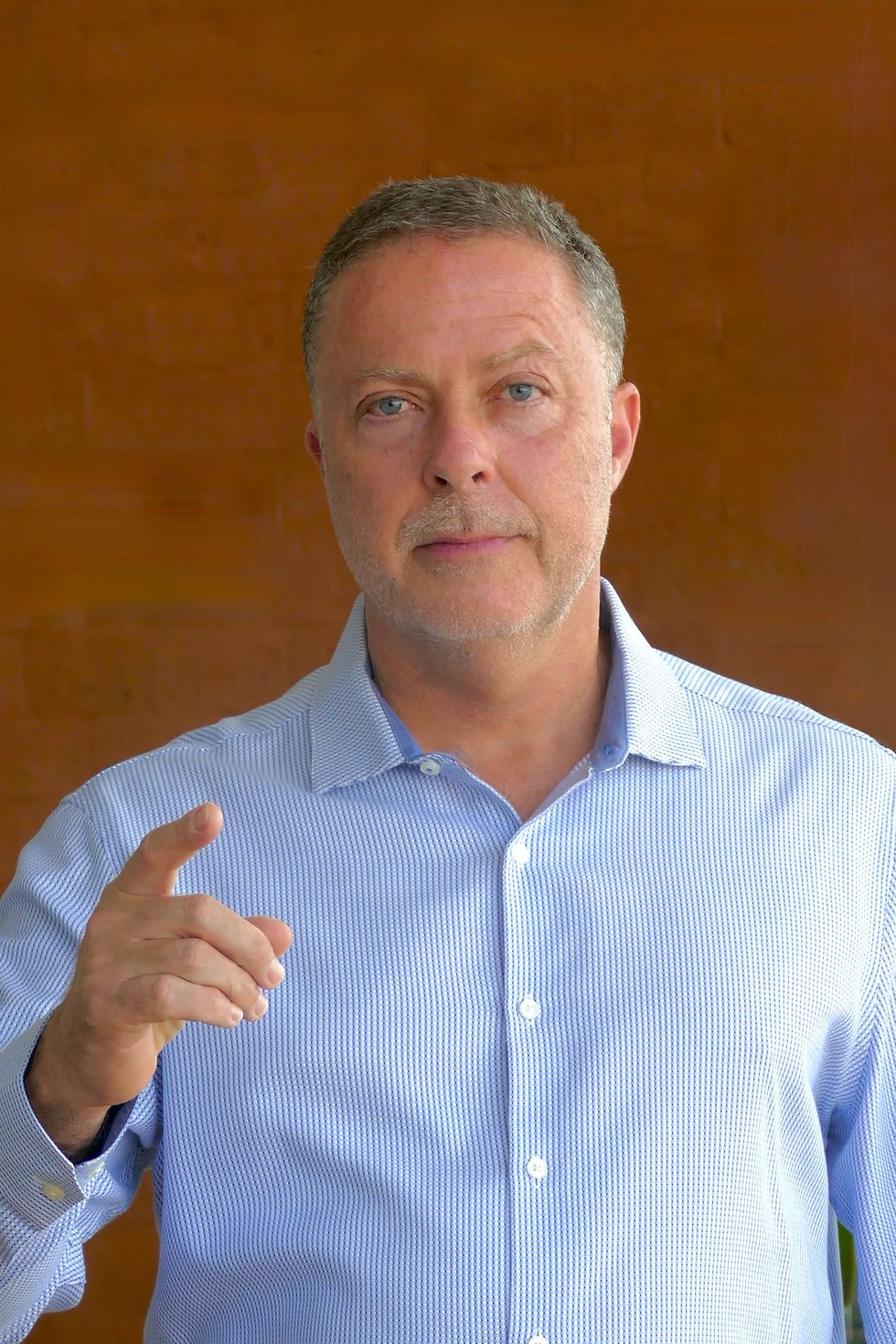
A good point for us to begin, because I do not originally come from the field of cinematic arts, although I have always greatly enjoyed photography, music, and cinema. I am a clinical psychologist with a doctorate from the University of São Paulo and postdoctoral training in neuroscience at the University of Pennsylvania and the Federal University of São Paulo. I have dedicated my clinical and scientific career to traumatic overcoming, resilience, and the mechanisms associated with the reconstruction of mental health. Fortunately, this work, published in indexed scientific journals, has achieved significant international academic impact, including through our demonstration, using neuroimaging methods, of the neurobiological effects of psychotherapy. My previous experiences in documentaries and social-health themes taught me that a true and sensitive narrative can inspire care, restore dignity, and touch human dimensions that complement academic data. Blue Alliance is born from the “broth” of these experiences. The film brings together my clinical listening, my scientific background, my healthy personal experience of living with type 1 diabetes, insulin-dependent, for 40 years, and my passion for documentary language. I wanted to create a work in which qualified information could meet the delicacy of life with the lightness and harmony that we all deserve.
What made you decide to make a documentary about diabetes, particularly focusing on its psychological aspects? Was it a personal experience, meeting people with the condition, or noticing a gap in media narratives that served as your main motivation?
I came to understand that diabetes, like so many chronic conditions, extends far beyond the relationship with the body, crossing identity, bonds, the vision of the future, and the psychological dynamics related to the way each person inhabits their own life. The way in which the diagnosis is communicated can favor elaboration, care, and awareness, or produce rupture, trauma, threat, and internal disorganization, with important consequences throughout life. Additionally, there is a persistent bias in media narratives, with an emphasis on fear and the risks of complications, favoring the spread of stigmas and false beliefs, sometimes sensationalistic ones. The prevalence of insulin-dependent diabetes is growing worldwide, and this immense number of people needs to receive qualified information. Blue Alliance fills this gap in an unprecedented way. By placing mental health at the center of care, the film shows that adherence, affectionate discipline, and quality for a realistic existence depend on meaning, welcoming, and emotional elaboration, a principle that applies to many other chronic conditions.
Where did the title Blue Alliance come from, and what meaning does it convey to you?
Blue is a color internationally associated with diabetes, and it also suggests depth, horizon, serenity, and crossing. The word alliance was chosen because it expresses the central change proposed by the film: moving away from conflict and building a healthy and cooperative alliance with an existence accompanied by diabetes. The alliance is also symbolized as a jewel used in rituals of harmonious union, care, presence, and renewed choice every day. Thus, the title points to a truth revealed by the film’s real and inspiring narratives: the broad possibility of living with a chronic condition in harmony.
In your opinion, what are the biggest misconceptions and misinformation surrounding diabetes, and how does your film attempt to correct them?
One of the greatest misconceptions is reducing diabetes to blood glucose. The numbers matter, but there is an entire life with many variables, such as perceptions, emotions, and internal dialogues between one measurement and another. The false association between diabetes, guilt, failure, limitation, and loss of future also persists. Such beliefs increase suffering, worsen overall health, and make adherence to daily care more difficult. Blue Alliance corrects these and many other distortions, as well as stigmas, through real first-person stories in which qualified information, reflecting mental health care, shows that it is possible to live very well with diabetes. In the encounter with the plurality of these characters, this inspiring possible reality gains face, voice, courage, beauty, and humanity, favoring identification among all viewers.
Why did you place mental health at the center of the narrative in Blue Alliance? How do you think we can strike a balance between raising awareness about the real risks of diabetes and fostering hope for a better quality of life?
Mental health has been increasingly recognized by epidemiological studies as one of the pillars of the quality of human existence. I placed it at the center of the narrative because, in insulin-dependent diabetes, this dimension is even more decisive. The diagnosis, when absorbed as psychological trauma, can affect self-esteem, adherence to care, bonds, hope, and the vision of the future. The balance lies in honest communication, capable of speaking clearly about real risks without turning the diagnosis into a depreciative sentence. Hope must be realistic, sustained by self-knowledge, self-care, a support network, and appropriate medical follow-up. We show this reality, equally recognizing the seriousness of diabetes while, at the same time, revealing life, affection, purpose, beauty, and the potential for a long and healthy future. Several people who watched Blue Alliance said that we were able to translate, with lightness, a deep confidence in the human capacity to learn, adapt, and evolve, even in the face of demanding conditions — and that is mental health!

How did you select your interviewees, and what was the process of gathering these stories like? Was there a specific story that impacted you the most?
In selecting the interviewees, I prioritized authenticity, diversity of experiences, and human potency. I found many people with vivid presences, capable of revealing resilience in diverse ways of living with diabetes, without neglecting the chronic condition. The stories touched me deeply, some because of longevity, others because of youth, others because of the courage to transform difficulty into learning, and all because of their capacity to transform daily care into affectionate lightness toward themselves, very beautiful to see and feel. We connected plural narratives, with luminous strength to inspire everyone. Intimately, what impacted me most was realizing, much more clearly, that we are one same family and that we can sincerely help one another so that we may arrive together at a good place of harmony with our lives. This sustains the heart of the film.
How did you structure this short documentary? What challenges did you face in condensing such deep and emotional messages into this timeframe?
We structured Blue Alliance as a crossing in five acts, conceived as a metalanguage of the process related to trauma, elaboration, and overcoming. The film begins with the impact of the diagnosis, moves through imbalance, emotional elaboration, the learning of care, and arrives at the real possibility of a more harmonious alliance with life. The visual metaphors helped translate this journey without excessive explanation. The circus art of walking on a wire expresses dynamic balance in continuous movement; aikido, adaptation, direction, and the intelligent use of force; capoeira, play, rhythm, flexibility, and presence in the face of the unexpected; music, harmony learned with simplicity and trust; and nature, flow, renewal, belonging, and the continuity of life. The greatest challenge was condensing around 200 hours of raw material into 25 minutes, while preserving the soul of the film. Many beautiful scenes and important statements were left out. The editing required precision and ethics: each scene needed to carry meaning, each character needed to remain whole, and each choice had to serve the arc and the central crossing of the documentary. We will certainly make use of the rich unused material in the next step, which will be the Documentary Series.
What was your visual and artistic approach to the filmmaking? How did you use imagery, music, and cinematic elements to create a sense of "harmonious coexistence"?
The visual language of Blue Alliance sought lightness, presence, and documentary truth. We used close-up shots to capture expressions and humanity, and contextual shots to reveal life as it is, without special effects or staging. Everything was real and carried the force of the spontaneous. The color palette values soft shades, with a prevalence of blue, in resonance with the international symbol of diabetes and with the film’s circular logo, which symbolizes an alliance. The lower-third graphics were also designed with lightness and dynamism, accompanying the visual identity and the documentary’s innovative message. The indoor and outdoor images translate harmonious coexistence through lighting, framing, and camera movements, reflecting dynamic balance, movement, and alliance with life. We included physical activity at several moments, including running, skating, cycling, and exercise, as expressions of vitality, care, and positive energy. My favorite sport is open-water swimming, and, at the end of the credits, the drone scenes while I swim in the sea symbolize a crossing that can be challenging, but also motivating, healthy, and safe. The soundtrack, inspired by a typically Brazilian genre, was an essential artistic element to reflect rhythm, lightness, sophisticated harmony, and sensitivity. We wanted a luminous film, without dramatic heaviness, capable of showing that living with diabetes can be a careful, beautiful, and deeply satisfying crossing.
Compared to your other documentaries or similar works in the health sector, what differences or innovations did your filmmaking style in Blue Alliance feature?
Blue Alliance brought a very particular combination of personal testimony, clinical listening, health communication, and cinematic language. In other projects, I worked with themes such as trauma, overcoming, spirituality, culture, and ancestral wisdom. In this film, however, there was an even more intimate proximity, because I belonged to the reality I was observing. Therefore, I directed the documentary “from within the experience,” with the serenity of someone who has lived healthily with diabetes for 40 years and with the commitment of someone who works in the field of mental health. The innovation lies in this direct, affective, and cinematic approximation between mental health and harmonious coexistence with diabetes. Blue Alliance invites the audience to perceive that a chronic condition can also foster maturity, meaning, and beauty. It was an extremely special experience, deeply gratifying for me.
What ethical and emotional considerations did you have to keep in mind when working with individuals living with diabetes as your subjects? How did you ensure that the narratives remained sensitive, respectful, and free of exploitation?
The main ethical consideration was to preserve the narrative dignity of the participants. People living with diabetes could not be reduced to the clinical condition nor transformed into illustrations of suffering. Each character was treated in their wholeness, with history, autonomy, resources, and human potency. All participants signed an Informed Consent Form. In addition, we conducted the interviews with emotional care, qualified listening, and respect for each person’s limits. As a clinical psychologist, I understand that narrating one’s own experience can mobilize sensitive contents. For this reason, filming was conceived as a human encounter, with listening, presence, and care, beyond the audiovisual record. We sought an ethical, sensitive, and non-exploitative approach. Suffering appears when necessary, but always contextualized by meaning, care, resilience, and dignity. The objective was to allow each story to contribute to a larger message without losing its singularity.
What were the biggest production challenges for this documentary? In terms of access to subjects, budgeting, technical issues, or the sensitivity of the topic.
Access to the characters was favored by the fact that I also belong to the community of people with diabetes. Even so, each encounter required care, consent, listening, and respect for the intimacy of each story. The greatest challenge was transforming an immense theme into a brief, clear, and sensitive film. Diabetes crosses the body, emotions, family, routine, culture, and future, in addition to many aspects of mental health that I have been researching and publishing about. In 25 minutes, we needed to find the essential axis and preserve the human depth of the theme. From the beginning, I understood that the short film would be an important spearhead to present, within the cinematic field, an approach to diabetes and mental health that is still unprecedented. For this reason, we sought responsible communication, capable of informing with rigor, touching with delicacy, and inspiring with truth. This balance was, for me, the main ethical and cinematic requirement of Blue Alliance.
How did your duo collaboration come about? How did you divide the responsibilities for directing, and how did this partnership affect the final outcome?
The collaboration with Caue Angeli emerged from a professional relationship that was already very well established. I had already brought him as a cinematographer to previous documentaries I made in Brazil, the United States, and Germany, and I always recognized in him a sensitive, precise gaze, very committed to the truth of the stories. For this reason, the harmony in Blue Alliance happened naturally. My work was more connected to conception, clinical listening, psychological content, and the construction of meaning. Cauê brought his excellent visual sensitivity and cinematic intelligence to transform this universe into image, rhythm, and narrative. This collaboration as a duo significantly multiplied the quality of the film, because it united human experience, clinical vision, and an easy openness to the exchange of opinions and consensus in a very finely tuned direction.
In the post-pandemic era, or considering the current state of global mental health, how important do you think the timing of this film's release is?
Blue Alliance arrives at the exact moment when the world most needs to speak about health with humanity. The post-pandemic experience made themes such as vulnerability, uncertainty, isolation, fear, bodily hypervigilance, and mental health more visible. Many people began to better understand what it means to live with threats to the body and with continuous preventive care. The film dialogues with a contemporary need to create more human, empathetic, and far-reaching ways to speak about health. Medicine has advanced greatly in technology, diagnosis, and treatment. Now we need to make marked progress in the quality of communication, in welcoming, and in the subjective understanding of those who live, or will come to live every day, with a chronic condition.
What was your ultimate goal in making Blue Alliance, and what impact do you hope this film will have on the world's largest community living with a chronic illness?
My ultimate goal was to offer the universe of diabetes a language capable of uniting science, mental health, dignity, and realistic hope. Blue Alliance was conceived to broaden the identification of those who live with the condition and to qualify the perspective of family members, friends, health professionals, and educators. The film acts at a decisive turning point: the way the diagnosis is communicated, received, and symbolized. Careful communication can transform the impact of the diagnosis into a path of awareness, affectionate responsibility, and adaptation. Certain documentaries on health themes, such as humanized childbirth, degenerative diseases, and other sensitive experiences, become essential references for people going through similar conditions or moments. I hope Blue Alliance can become a reference in the field of type 1 diabetes, recommended by health professionals, especially endocrinologists, as well as by family members, educators, schools, and communities. The film has just arrived, and it already moves me deeply to receive accounts from newly diagnosed young people and family members about the expanded perspective it awakened. I hope that Blue Alliance will continue contributing to people at the beginning and throughout this journey, their families, and support networks, as a work of recognition and encouragement, capable of transforming care into presence and diagnosis into a path.
If you could give a direct message to the audience or to individuals living with diabetes who watch this film, what would it be? Also, what is your next project, and do you have plans to continue narratives related to mental health and chronic illness?
My message is simple and straightforward: you are greater than, and far beyond, the diagnosis! Diabetes requires care, discipline, and presence, but it does not need to reduce identity or narrow the future. Over 40 years of living with type 1 diabetes, I have learned that each measurement, each choice, and each signal from the body can refine consciousness and transform care into an alliance with life. This is the essence of Blue Alliance. The next step will be the Blue Alliance Documentary Series, with 8 episodes of 45 minutes, expanding stories, themes, and paths of care that the short film only began. I want to continue developing narratives about mental health, consciousness, and human transformation for the better, much better. After all, we all deserve the highest quality of existence the Universe can offer. For those who wish to learn more about this journey, my projects, research, and productions are gathered on my multilingual website, clinicajulioperes.com.br
Let’s all move forward together!


hi88 com mình thấy bạn bè nhắc mấy lần nên tiện tay bấm vào xem giao diện ra sao thôi. Mình không ngồi lâu, chủ yếu lướt nhanh cho biết. Cảm giác đầu tiên là thanh menu đặt khá lộ, chuyển qua lại các mục không phải tìm vòng vòng nên đỡ mất thời gian. Nhìn tổng thể trang cũng thoáng, thông tin được chia thành từng khối riêng nên mắt bắt nhịp nhanh, không bị dồn chữ một cục. Mình thích kiểu họ canh bố cục gọn gàng, nhìn vài phút là hiểu đang ở phần nào. Nói chung chỉ ghé qua chút mà vẫn thấy dễ theo dõi, nhất là cách họ chia block nội dung và để…
đăng nhập fly88 tối qua lúc nghỉ tay lướt thử vài phút, mình cũng hơi nghi ngại kiểu “lại thêm một trang rối rắm” nhưng vào rồi thấy hướng đi khá rõ. Mình không ngồi test trò gì đâu, chủ yếu nhìn cách họ trình bày và đường đi nước bước để lần sau cần thì bấm cho nhanh (đỡ mất công mò). Cái mình để ý là mấy khung thông tin đặt thẳng hàng, tiêu đề chia ra từng mảng nên kéo xuống là hiểu đang nói phần nào, không phải nhảy qua lại quá nhiều. Thêm nữa, chỗ liên quan nạp rút giao dịch họ để ngay trong luồng nội dung nên nhìn phát thấy liền, kiểu họ…
https://rr88k1.com/ mình bấm vào chủ yếu vì tò mò thôi, kiểu xem thử giao diện ra sao chứ không định ngồi đọc kỹ. Vừa vào cái là thấy trang sắp xếp khá thoáng, nhìn không bị rối hay “ngợp” như nhiều chỗ khác. Mình để ý nhất là thanh menu đặt ngay chỗ dễ thấy nên chuyển qua lại mấy mục rất nhanh, không phải kéo lên kéo xuống tìm. Mấy phần thông tin cũng được chia thành từng khối rõ ràng, lướt qua là hiểu đại khái đang có gì trên trang. Nói chung hợp với kiểu người vào xem nhanh bố cục, và mình thấy cách họ nhóm nội dung theo từng block nhìn khá gọn, menu cũng…